Woks have lengthy claimed a prized spot in kitchens around the sector. From fiery stir-fries in Guangzhou to house-fried noodles in Brooklyn, these deep, sloped pans have helped generations of chefs deliver warmness and taste mutually in minutes. But when you’re buying a wok that would closing, two material lead the percent: forged iron and carbon steel. Both have their diehard followers and specific personalities. If toughness is your foremost issue, even though, the alternative isn’t as ordinary as identifying the single that “lasts longer.” Real-international use is more advanced.
Let’s dig into how cast iron woks stack as much as carbon steel relating to longevity, resilience, and an entire life of useful cooking.
The Nature of Cast Iron vs Carbon Steel
Both solid iron and carbon steel are different types of iron alloyed with carbon. The change lies in the two the volume of carbon reward and how they’re made.
Cast iron incorporates extra carbon (oftentimes 2-four p.c.) and is poured molten into molds - accordingly “solid.” It’s dense, slightly brittle, and common for its heft.
Carbon metallic accommodates less carbon (round zero.five-1 p.c), giving it flexibility and malleability. It’s rolled or hammered into shape in place of poured.
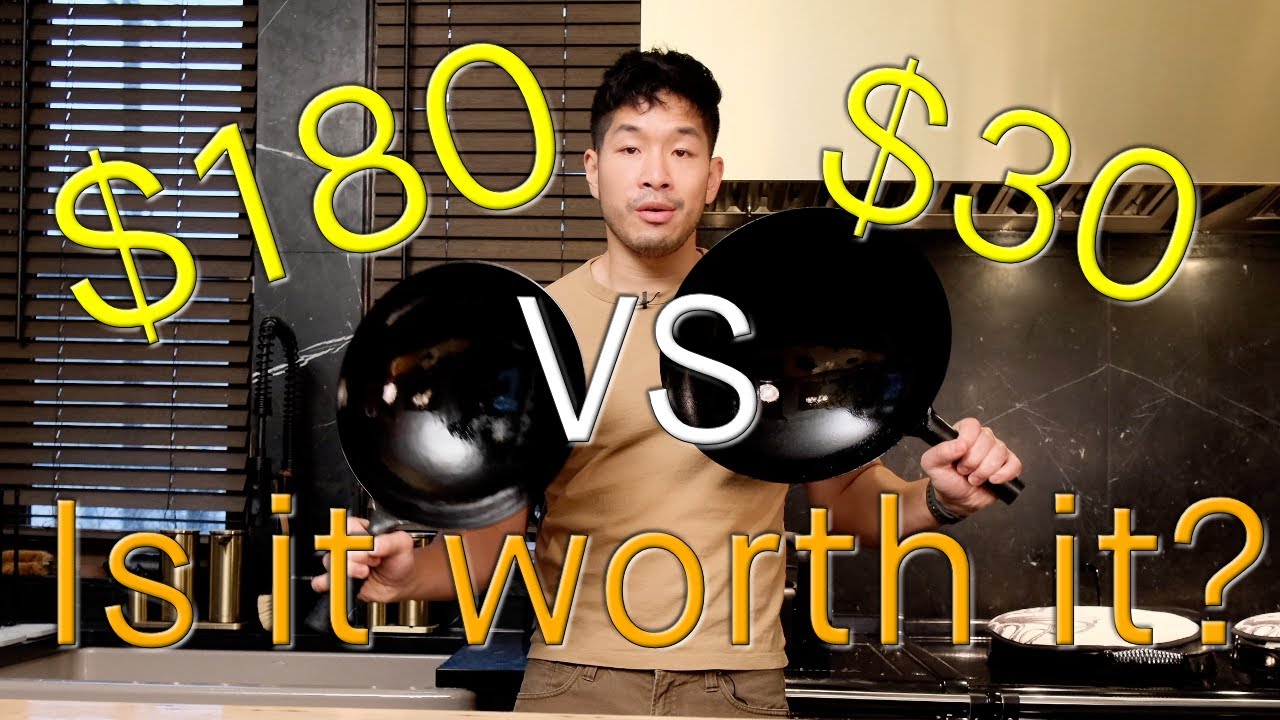
These traits shape not just how every wok feels however additionally the way it stands up to time.
Strength Isn’t Everything
People many times equate weight or thickness with durability. Cast iron feels indestructible for your fingers; such a lot conventional woks weigh eight to 12 pounds or more. That mass has its virtues: even warm distribution, rock-reliable steadiness on a burner, and an essentially ceremonial presence at the stovetop.
But there’s a turn aspect. Cast iron’s density makes it less forgiving below affect or unexpected temperature swings. Drop it onto a tile ground or warmth it too %%!%%1d7b75be-1/3-4654-924c-80ab3de59c8b%%!%% even as cold, and it could possibly crack and even shatter. I’ve visible old cast iron pans break up clean from an accidental knock against a sink aspect.
Carbon steel woks are so much lighter - probably 2 to five kilos for same sizes - yet don’t mistake lightness for weak point. Their thinner partitions flex lower than strain rather than holiday, giving them a stunning durability opposed to knocks and bangs.
If you might have young people who like to help out in the kitchen otherwise you have a tendency to prepare dinner at peculiar hours after you’re now not necessarily at your most coordinated, this can make each of the distinction.
Real-World Durability: Kitchen Life
Heat Tolerance
Wok cooking method excessive heat - that’s part the point. Both substances excel the following compared to aluminum or nonstick alternate options.
However, there are subtleties:
- Cast iron heats slowly yet keeps warm like no other. This works fantastically for searing proteins or conserving nutrients warm. Still, that related best potential when you overheat an empty solid iron wok, you menace warping or cracking. Carbon steel heats up quick and cools down %%!%%1d7b75be-0.33-4654-924c-80ab3de59c8b%%!%%, giving you nimble manage over temperature shifts. It handles thermal surprise enhanced; possible toss cold cabbage into a hot pan without irritating about break.
I once left a forged iron wok on complete blast even though prepping additives for just a couple minutes too lengthy. The base built hairline cracks from the instant expansion. My ancient carbon steel wok has survived worse abuses with only some scarring.
Impact Resistance
Here the tables flip. A dropped cast iron wok would possibly not dent, but if it lands flawed, it would spoil. Carbon metal, however, may well broaden warps or bends if mistreated but is unlikely to fail catastrophically.
I’ve considered restaurant kitchens the place battered vintage carbon steel woks retailer churning out nutrients after being by accident tossed onto concrete floors throughout the time of busy rushes. They could come away bent out of structure yet hardly turn into unusable.
Rust: The Silent Enemy
Neither material is stainless; equally desire care to steer clear of rust. Seasoning - constructing up layers of polymerized oil - protects both models and improves their nonstick efficiency.
But there are distinctions:
- Cast iron is more porous, so moisture can seep deeper if now not stored dry and oiled. Left uncared for, rust can devour pits into its surface. Carbon metallic rusts sooner however more superficially; rust ordinarily looks as surface movie as opposed to deep pitting.
If you are living in a moist weather or oftentimes overlook to dry your cookware entirely after washing, this topics. I’ve rescued historical rusted carbon steel woks with some elbow grease and re-seasoning. Deeply pitted solid iron pans are tougher to restoration.
Longevity Under Heavy Use
Professional kitchens supply a strain-look at various ecosystem for cookware. In Chinese eating place settings where woks get blasted by using roaring fuel jets all day, such a lot chefs select carbon steel for a rationale: it stands up to heavy use, cleans up instant among dishes, and tolerates tough handling.
But there’s a caveat - such a lot eating place chefs use spherical-bottomed woks over really expert burners. Home chefs utilising flat-bottomed woks on electric powered stovetops may additionally discover cast iron’s stability an asset.
At residence, either fashion can closing decades with care. My own grandmother’s cast iron wok observed weekly use for over forty years earlier than retiring with only minor scars from occasional rust battles. My first carbon steel wok has survived all the pieces from burnt peanut sauce to being unintentionally left out of doors on a rainy nighttime.
Maintenance: An Honest Comparison
Durability isn’t just about what occurs while you drop your pan or crank up the https://squareblogs.net/lachuledyj/cast-iron-wok-vs-carbon-steel-which-heats-up-faster warmth. It’s also about how an awful lot paintings is going into conserving your wok in good form.
Seasoning Rituals
Both models demand seasoning formerly first use (unless pre-seasoned on the manufacturing facility). The job entails heating oil till it polymerizes into a exhausting coating, which promises maintenance from rust and helps meals free up simply.
Seasoning sticks effectively to both substances however has a few quirks:
- Cast iron’s rougher floor affords oil extra places to seize on; seasoning builds thickly but could also flake if overheated. Carbon metallic’s smoother floor calls for greater skinny layers for fine effects; preliminary seasoning may perhaps occur patchy but evens out with use.
Many wok householders uncover that carbon metal “breaks in” faster with day by day cooking, establishing an well-nigh glassy black patina over the years. Cast iron seasoning tends to be thicker but extra liable to chipping if scrubbed hard or subjected to unexpected thermal surprise.
Cleaning Realities
Some suggestion says not at all use cleaning soap on either style; in certainty, somewhat slight soap gained’t smash seasoning if rinsed swiftly. Avoid soaking equally sorts. For burnt-on bits, salt scrubs paintings wonders.
Carbon steel’s lighter weight makes scrubbing more easy on wrists - something I appreciate on busy weeknights after three rounds of fried rice for hungry youth.
Repairs and Restoration
Carbon metallic has an side right here for DIY fixes. Rusty? Scrub off the rust with steel wool, dry effectively, and reseason. Warped? Some woks shall be lightly hammered returned into form.
Cracked forged iron is an additional tale. There’s no clean repair for breaks or deep pits. Small chips should be smoothed out, but once structural integrity is going, replacement is almost always the best selection.
The Feel Factor: Ergonomics Meet Endurance
Durability isn’t almost about how lengthy something lasts however also how gratifying it's miles to take advantage of over time.
A heavy solid iron wok will probably be unwieldy for tossing nutrition - certainly when complete. Some fashions include picket helper handles for 2-exceeded lifting, which supports however provides bulk. If you have got wrist or shoulder considerations, this things.
Carbon steel woks are mild sufficient for one-surpassed tossing even when loaded with greens or noodles. Their thinner partitions imply they reply %%!%%1d7b75be-1/3-4654-924c-80ab3de59c8b%%!%% to burner changes - imperative for subtle sauces or swift sears.
If you wish anything you’ll succeed in for day to day with no dreading cleanup or strain, weight becomes component of the durability equation.
Edge Cases: Induction Cooking, Camping, Outdoor Kitchens
Certain situations tip the scales for one textile over the alternative.
- Induction stoves require magnetic cookware; equally forged iron and most carbon steel paintings neatly the following. For open-fire cooking (tenting trips, outdoor barbecues), solid iron’s sturdiness shines yet beware of cracks from choppy heating across hot coals. If you go back and forth together with your cookware (consider nutrition vehicles), carbon metal provides portability with out sacrificing toughness. In climates with severe humidity or salt air (coastal residences), well-known protection becomes severe for each models - but replacing a rusted-out carbon metallic wok is less painful on the pockets.
A Side-with the aid of-Side Snapshot
A quickly desk is helping explain the place every one material excels:
| Feature | Cast Iron Wok | Carbon Steel Wok | |----------------------|-------------------------|--------------------------| | Weight | Heavy (8-12 lbs) | Light (2-five lbs) | | Heat Retention | Excellent | Good | | Heat Responsiveness | Slow | Fast | | Impact Resistance | Brittle (could crack) | Dents/warps but hardly ever breaks | | Rust Susceptibility | Deep pitting likely | Surface rust fashioned | | Seasoning | Thick but chips/flakes | Builds easily | | Ease of Restoration | Difficult if cracked | Easy to restoration/reseason | | Cost (everyday) | Moderate | Often cheaper | | Ergonomics | Bulky/heavy | Nimble/mild |
A Few Practical Scenarios
To highlight exchange-offs past specifications, here’s how every single category holds up in genuine kitchens:
Home Cooks With Electric Stoves
Flat-bottomed forged iron woks sit down flush on electric coils or glass tops, dispensing heat lightly throughout their base. Their weight prevents tipping while stirring vigorously. If you rarely toss constituents via hand (with the aid of spatulas as an alternative), this balance is welcome.
Fast-Paced Stir-Fry Lovers
If you crave restaurant-type wok hei - the elusive “breath of the wok” flavor - carbon metallic provides the agility needed for quick tossing over high flames. Its lighter build allows for for dramatic flicks devoid of wrist pressure.
Multi-Generational Heirlooms
Both kinds can closing many years, but forged iron more commonly becomes relations heirlooms attributable to their iconic seem to be and feel of permanence. There’s whatever thing satisfying about passing down a wok that has professional via generations of ingredients.
Forgetful Cleaners
If you frequently disregard to dry your pan properly after washing (or get distracted by youth/pets), carbon steel gives more convenient restoration from minor rust incidents.
When Durability Meets Value
Price enters the equation too. A quality forged iron wok more commonly expenditures $35-$70, depending on logo and measurement; hand-hammered carbon metallic items in most cases run $25-$50. Neither is prohibitively expensive when compared to premium nonstick picks that put on out in two years.
But replacement settlement issues much less whenever you deal with your wok as an funding - one thing that will get more effective with age rather than worse.
Quick Reference: Durability Checklist
If you desire an at-a-glance feel of what matters maximum for long-time period longevity:
Can you carry the wok quite simply whilst full? Are you in all likelihood to drop it? If so, lighter could also be more secure. Will you safeguard seasoning continually? Do you desire nimble tossing or strong stability? Is convenient healing remarkable if rust develops?This listing enables attention on proper-life wants in place of just specs on paper.
Final Thoughts: Which Material Wins?
If natural durability were all that mattered - assuming cautious dealing with - forged iron in general outlasts most householders. Its mass resists warping, its seasoning gets richer with time, and its vintage lines glance fantastic decade after decade.
But kitchens aren’t museums. They’re chaotic locations in which matters get dropped, scorched, left soaking in a single day, or handed off to youth gaining knowledge of their first stir-fry strikes.
For so much cooks seeking long lasting efficiency day in and day trip, carbon metallic deals an pretty much unbeatable mix of sturdiness, repairability, ease of handling, and worth. With simple care, it shrugs off abuse that would doom heavier rivals.
Still, there’s a place for either: solid iron if you happen to crave substance and history; carbon metal in case you favor pace and resilience.
Either manner, treat your wok effectively and this can outlive infinite nonstick pans - bearing experiences (and stains) from each and every meal along the way.