There’s some thing basically magical about the sizzle of refreshing ginger and garlic in a hot wok. For any individual who’s fallen beneath the spell of stir-frying, the query finally surfaces: forged iron or carbon steel? The two vintage fabrics have unswerving followings and deeply rooted traditions, but in case you’re hoping for a easy reply, get all set for nuance.
Whether you’re outfitting your first residence kitchen or trying to level up your house stir-fry recreation, awareness how these woks fluctuate in known use can store time, strength, and a little heartache. Let’s dive into the lived enjoy of cooking with each and every - which includes the quirks, surprises, and exchange-offs that don’t usually make it onto product packaging.
The Heart of the Matter
Choosing among cast iron and carbon metal woks isn’t essentially way of life or aesthetics. Each subject material shapes your cooking in approaches that best end up transparent after real hours on the stove. Factors like weight, responsiveness to warm, seasoning needs, maintenance exercises, or even the way you move meals round within the pan all add as much as create an sense on the way to either spark pleasure or breed frustration.
Let’s break down what it’s enormously prefer to wield both sort of wok in a homestead kitchen.
Weight: Friend or Foe?
Pick up a classic forged iron wok and also you’ll instantly discover its heft. A 14-inch Chinese-type forged iron wok basically weighs between 8 and 10 kilos. This mass helps hold warmness but makes tossing substances tough except you will have severe forearm power.
Carbon steel woks inform a other tale. Even tremendous models hover round three to five kilos. That distinction doesn’t sound dramatic on paper, yet it’s evening and day in case you’re lifting and swirling the wok over excessive heat. If you’ve ever watched a Cantonese chef flip noodles with one hand although wielding a spatula with the other, chances are they’re by means of carbon steel.
I’ve cooked on either for years. When I’m making quickly vegetable stir-fries or fried rice that require fixed flow and tossing, I attain instinctively for my historic carbon steel wok. The lighter feel shall we me toss with out straining my wrist or worrying approximately crashing into my stovetop.
On the alternative hand, when searing proteins or slow-cooking stews (sure, a few folk try this in woks), cast iron’s heft is usually reassuring. But for everyday stir-fries? Most homestead chefs opt for lighter weight.
Heat Responsiveness: Control Versus Inertia
Wok cookery prospers on speedy alterations: prime heat to sear aromatics, then swift differences as you upload sauces or mushy veggies. This is the place carbon metallic excels. It heats impulsively and cools down simply as speedily if you lift it off the burner or add chilly constituents.
Cast iron has a good deal more advantageous thermal inertia; once sizzling, it stays sizzling. That stability may well be precious for deep-frying or sluggish braises however much less most reliable in the event you favor minute-with the aid of-minute control over temperature.
A simple illustration: when flash-cooking bok choy or snow peas with garlic, I typically locate my carbon steel wok lets me regulate at the fly - cast off it from the heat for only a 2nd to forestall burning. With cast iron, residual warm lingers longer. If you don’t account for this, refined veggies can overcook or aromatics can go from golden to bitter in moments.
Seasoning: A Tale of Two Surfaces
Both forged iron and carbon metallic have faith in seasoning - a layer of polymerized oil that builds up over repeated use. Seasoning prevents rust and creates a semi-nonstick floor prized for its potential to unlock meals cleanly.
But right here’s where things diverge. New carbon metallic woks arrive silver-gray and broaden their black patina over weeks or months. Seasoning takes endurance yet pays off right away as stir-fries prevent sticking and cleanup receives less complicated.
Cast iron routinely comes pre-professional (specially Western manufacturers), however Chinese-type cast iron woks may not. Either manner, seasoning on solid iron has a tendency to be greater mighty over time but also more liable to flaking if taken care of kind of or washed improperly.
In my own kitchen, I’ve found that carbon metal seasoning builds up sooner if I stick to dry stir-fries and keep away from acidic sauces early on. Cast iron requires more vigilance - letting water sit down too lengthy or scrubbing too laborious can undo months of growth.
Everyday Maintenance: Realities and Rituals
Let’s communicate cleanup. Both woks want smooth treatment: no cleaning soap (or simply moderate soap), no soaking in a single day, dry very well after washing.
But forged iron is extra touchy to moisture; even a few drops left behind can invite rust in a single day. I’ve realized this lesson greater than as soon as after forgetting to towel-dry my wok submit-dinner.
Carbon metal is rarely immune to rust yet has a tendency to be more forgiving when you trap it early. A quickly flow over a lit burner dries out lingering moisture rapid.
Re-seasoning also is less complicated with carbon steel. If I spot a rusty patch or foodstuff starts off sticking lower back, I effectively scrub it clean and wipe on a skinny layer of oil beforehand heating except it smokes flippantly. With solid iron, I want to be extra cautious - an excessive amount of oil or insufficient warmness can leave sticky residue in place of a slick floor.
Cooking Style: What Each Wok Loves (and Hates)
It’s worth thinking of what you hope to cook ordinarilly. High-heat stir-fries call for pace and agility; steamed dumplings or lengthy braises require stable temperatures.
Carbon steel shines at vintage wok duties: tossing shrimp with aromatics over extreme flame or charring sliced cabbage in seconds. Its sloped aspects encourage circulation and maintain foodstuff from crowding.
Cast iron excels at preserving warm for pan-frying dumplings or shallow-frying tofu cubes. However, it’s much less adept at instant tossing until you may have serious top physique strength.
If you dream of wok hei - that elusive smoky aroma from searing foods over excessive warmth - carbon steel makes it more potential on usual homestead stoves. It reacts so instantly that you may push materials up the perimeters with out losing temperature at the base.
What About Nonstick Woks?
Every so more commonly I’m requested approximately nonstick-coated woks as an “less difficult” choice. While they notably simplify cleanup and do away with some issues approximately seasoning, they fall short in a couple of key parts.
Nonstick coatings spoil down at excessive temperatures - precisely what stir-frying needs. They additionally lack the “breathability” that we could seasoned steel grow not easy flavors through the years. Most reliable cooks wouldn’t dream of making use of nonstick for extreme wok cookery.
For domicile chefs looking for actual outcome and longevity, researching to deal with both solid iron or carbon steel pays off tenfold.
Handles: Design Matters
A detail as a rule not noted by means of first-time investors is cope with layout. Traditional Cantonese woks most likely sport two small loop handles; Mandarin-style woks broadly speaking have one lengthy wooden maintain plus a helper loop.
Carbon metal woks are many times made in each designs and are faded adequate for both association to work conveniently for such a lot workers.
Cast iron woks with loop handles appearance fascinating yet are demanding to raise whilst complete of delicacies. Some brand new editions come with longer handles to improve grip but this adds greater weight to an already major vessel.
In my personal kitchen setup - a gasoline vary with restrained counter space - I in finding myself reaching for my lengthy-treated carbon metal wok after I prefer to toss components mid-cook dinner. For slow simmered dishes wherein I’m now not transferring things tons, my double-taken care of forged iron feels reliable however certainly not nimble.
Stove Compatibility and Heat Source
The type of burner you use plays an outsized position in how each wok performs.
Gas burners deliver direct warm fabulous for either styles of woks. Electric coils or ceramic tops combat to grant satisfactory centred warm, extraordinarily for carbon steel which depends on rapid temperature adjustments.
Cast iron’s mass is helping compensate a bit of on weaker electric stoves by way of keeping extra strong baseline heat. Still, neither textile will really shine without sufficient BTUs beneath them.
Induction cooktops existing every other wrinkle. Carbon metallic woks paintings well as long as their bottoms are flat adequate for contact; usual round-bottom woks gained’t take a seat flush until you use an induction ring adapter. Many innovative forged iron woks are made with flat bottoms primarily hence.
Some chefs put money into transportable open air wok burners (most likely 50,000+ BTUs) to acquire eating place-model outcomes at homestead. In these setups, carbon steel turns into almost irreplaceable for instant-fireplace stir-fries.
Cost and Longevity
Cost varies generally based totally on logo, dimension, conclude, and local availability.
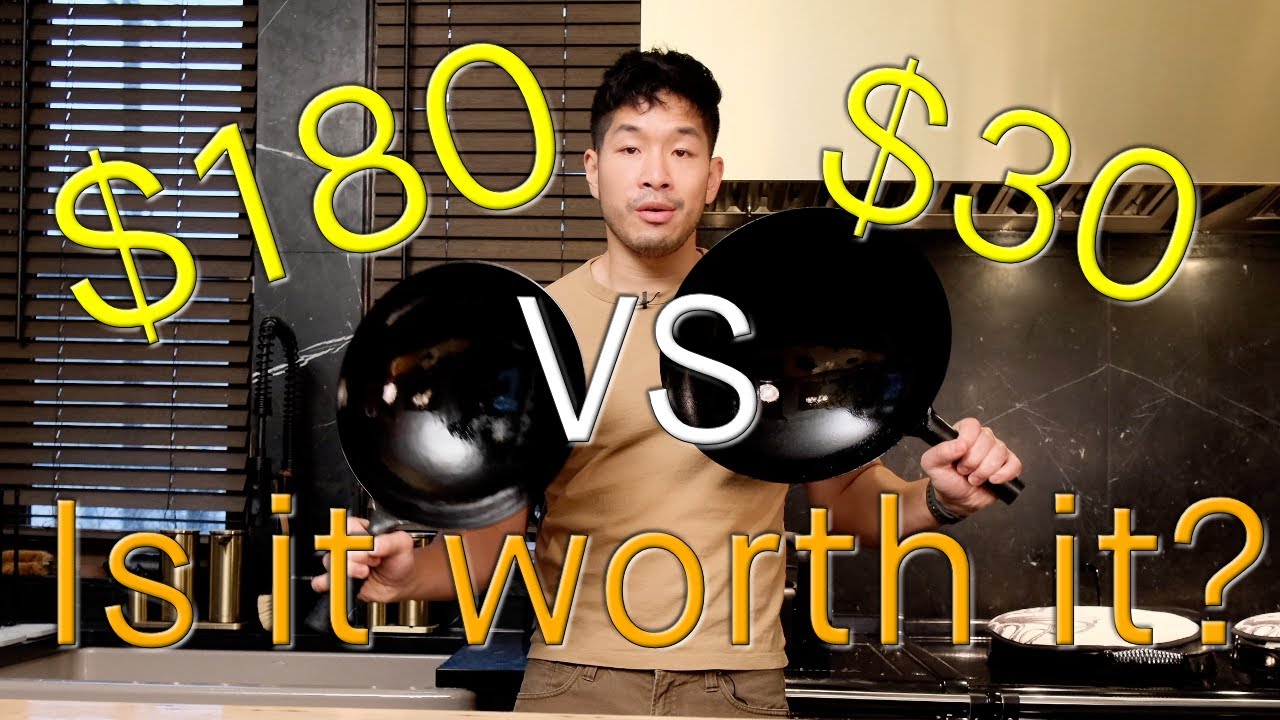
Carbon steel woks are more often than not more low priced - as a rule $25 to $50 for a good brand from specialty Asian markets or legit online dealers. Premium manufacturers can run increased yet seldom exceed $a hundred until bundled with accessories.
Cast iron woks more commonly money more caused by larger materials mass and delivery weight. Expect $forty to $a hundred for such a lot recommendations; artisanal or designer types can pass bigger.
Both sorts remaining a long time if competently cared for. My oldest carbon metallic wok is pushing 15 years historic and appears greater now than while new. I realize families who hand down forged iron woks thru generations - their surfaces dark with memory and flavor.
Comparing Cast Iron Wok vs Carbon Steel: At-a-Glance
Here’s a concise evaluation to clarify key distinctions:
| Feature | Carbon Steel Wok | Cast Iron Wok | |------------------------|----------------------------|-------------------------------| | Weight | three-5 lbs (ordinary) | 8-10 lbs (known) | | Heat Responsiveness | Very speedy | Slow to warm/cool | | Seasoning | Builds fast | Thicker however may possibly flake | | Maintenance | Forgiving | Requires vigilance | | Ease of Tossing | High | Low (except very powerful) | | Cost | Lower | Higher | | Stovetop Compatibility | Best on gasoline/excessive-warmness | Stable on vulnerable burners | | Wok Hei (Smoky Flavor) | Easier to reach | Possible yet tougher | | Longevity | Decades (if cared for) | Generational |
The Human Factor: Skill Level and Confidence
Beginners ceaselessly gravitate closer to nonstick or heavy forged iron considering those could be more easy to cope with. In train, carbon metal is greater forgiving once you embody its quirks and invest some effort into seasoning.
My suggestion for newbies: don’t let preliminary sticking or discoloration scare you off from carbon steel. The first few weeks can be rocky yet stick with it - actually and figuratively - and also you’ll soon have a software that feels like an extension of your hand.
Cast iron rewards planned technique and staying power but punishes overlook more harshly than carbon metallic does.
A Quick Reference: Which to Choose?
To assistance make clear which could in shape your needs ideally suited, here’s a common record:
Carbon Steel Wok is in all likelihood more easy in the event you:
- Want to toss elements frequently Prefer lighter cookware Value immediate temperature control Don’t intellect spending somewhat time seasoning
Cast Iron Wok may perhaps fit your needs once you:

- Rarely toss ingredients Like sluggish-cooked or deep-fried dishes Have a effectual stove Enjoy usual cookware with loved ones history
Stories from Real Kitchens
I’ve met cooks who swear with the aid of their grandmothers’ battered forged iron woks - surfaces blackened by using decades of red meat fat and ginger. Yet amongst restaurant cooks I be aware of in San Francisco’s Chinatown, approximately all reach for nicely-worn carbon steel items that can charge much less than a dinner for 2.
One dwelling cook I spoke with had began with cast iron yet switched after figuring out she prevented stir-fries on the grounds that her wrists harm lifting https://eduardolubp787.iamarrows.com/cast-iron-wok-vs-carbon-steel-which-heats-up-faster it off her range each evening. After switching to carbon metal, her repertoire expanded in a single day - from pad see ew to Mongolian red meat - in reality when you consider that she felt greater agile on the range.
Another good friend uses her solid iron wok solely for steaming dumplings and deep-frying sesame balls; she prefers its heft or even heating for the ones packages yet continues a carbon metallic style to be had for spontaneous weeknight stir-fries.
The Intangibles: Rituals and Connection
There’s something meditative approximately warming oil in a pro wok - swirling it unless the surface glistens like black glass before tossing in crisp scallions. Over time, the two types enhance personalities formed by way of your habits.
Carbon metallic woks gain man or woman as their surfaces darken from 1000s of ingredients. They jump silver-grey and grow to be nearly jet black - living proof of willpower in the kitchen.
Cast iron contains its very own gravitas; each scratch tells a tale. It rewards folks that deal with it gently however firmly - neither coddling nor neglecting its necessities.
Either means, selecting between forged iron wok vs carbon metal isn’t with regards to ease of use on day one. It’s approximately locating which instrument matches your rhythms, goals, and physical comfort at the stove.
Final Thoughts
After years flipping vegetables over roaring flames and cleansing up after dead night experiments long gone awry, my verdict is that this: For maximum residence chefs trying ease of use devoid of sacrificing versatility or style, carbon steel wins with the aid of a comfortable margin. Its lightness encourages circulation; its responsiveness makes getting to know exciting instead of troublesome; its value lowers the barrier to entry.
But for folks that cherish slow-cooked dishes or crave cookware with gravitas - or who honestly love the texture of solid iron beneath their fingers - there’s still an area for that heavy old vessel beside your stove.
The right wok is in some way the single that conjures up you to prepare dinner extra almost always and greater joyfully, no matter what its pedigree or patina.